What the End of Windows 10 Support Means for You
One of the most successful operating systems of Microsoft, Windows 10, is finally coming to the end of its life cycle. Continued in 2015, the system has operated hundreds of crores of computers worldwide for ten years. But on October 14, 2025, Microsoft will officially stop providing free security and feature updates for Windows 10. This marks the official end of Windows 10 support, and for many users, it raises the necessary questions: should you buy a new computer, upgrade to Windows 11, or use Windows 10 at your risk?
The announcement has expressed concern among consumers, IT experts, and digital rights groups. On one hand, Microsoft insists that it should move forward to modern systems. On the other hand, millions of people face losing protection from cyber threats, or hardware is being forced to be compatible with Windows 11. This moment also represents the Windows 10 end of life, and its effect will be felt in homes and businesses worldwide.
Microsoft’s Response to Public Pressure
Initially, Microsoft planned to offer only one paid extension program, which charged a fee of $ 30 per year for continuous updates after the end of Windows 10 support. The plan angered many users who were trapped between spending money and running old software. In late September 2025, Microsoft announced an adjustment after criticizing consumer groups in the US and Europe. Some users in the European Economic Area (EEA), including the European Union, Norway, Iceland and Liechtenstein, Plus Switzerland and the United States, will qualify for a free support expansion.
However, there are conditions. To reach free updates, you have to log in permanently with a Microsoft account (MSA) and use the Windows backup function. If you use a local account instead, you are not eligible and will either need to pay $30 or capitalize on 1,000 Microsoft reward points.
Since Microsoft ties free extended updates to signing in with a Microsoft account and using the Windows Backup function, the most natural affiliate recommendation is a reliable external hard drive or SSD. This directly connects with the backup requirement and gives readers a practical product to secure their files. Here’s a strong fit you can use:
Seagate Portable 2TB External Hard Drive HDD
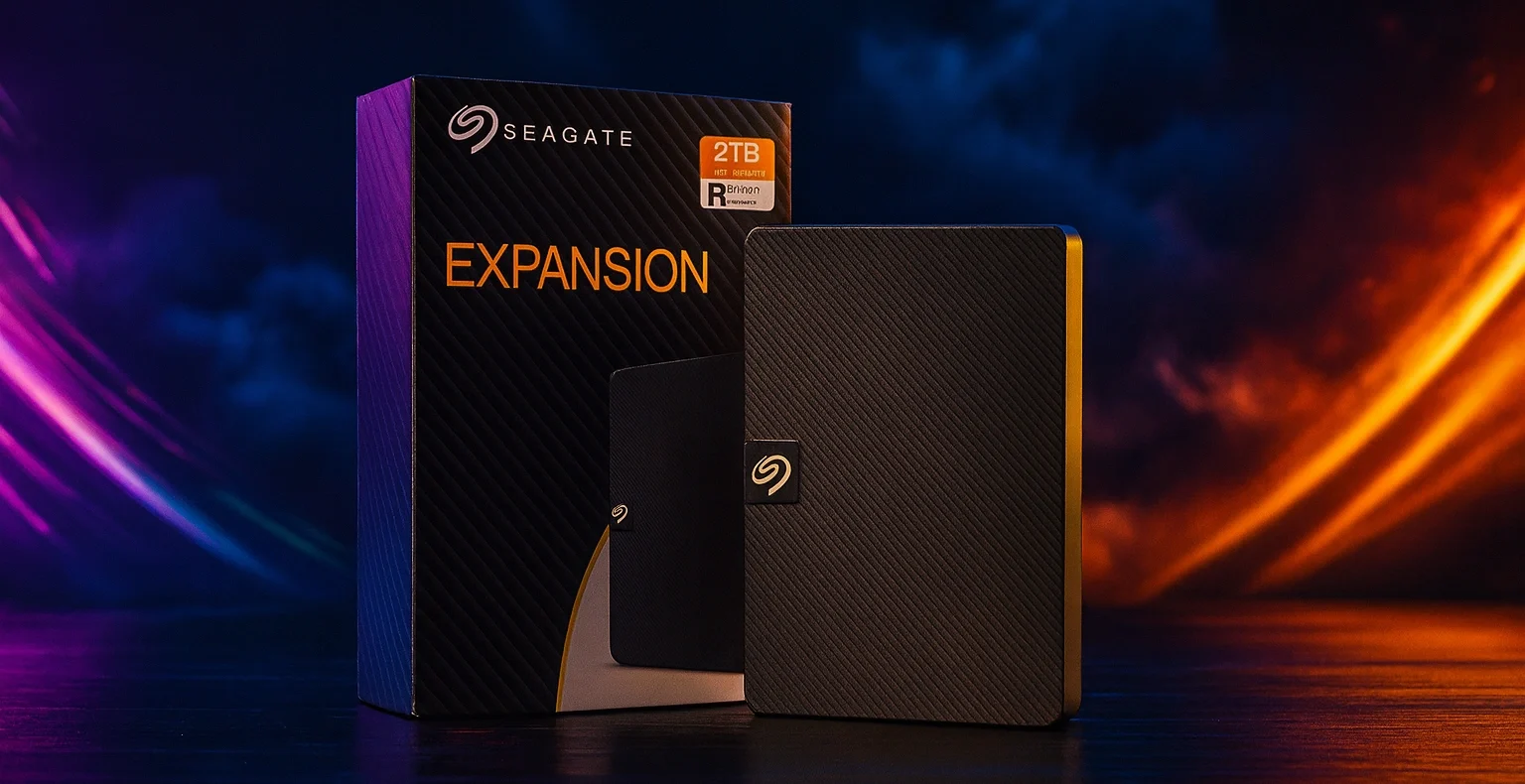
This external hard drive is an affordable and dependable way to back up your files. It works seamlessly with Windows Backup, plugs in via USB 3.0, and gives you plenty of storage for documents, photos, and system recovery images.
How the Support Extension Works
As the end of Windows 10 support comes close, Microsoft knows that millions of people are still running the operating system. To reduce the infection, the company has offered several extension options. These plans are to give users more time to prepare for the Windows 10 end of life, whether to upgrade, place hardware, or search for options. Microsoft has created three paths for users:
- Free Updates: Available in the U.S., EU, and select countries if logged in with a Microsoft account and using Microsoft services like Windows Backup.
- Paid Option: A $30 per year program for users who prefer to stick with a local account and not connect fully to Microsoft’s ecosystem.
- Reward Points: Users can redeem 1,000 Microsoft Reward points, earned through purchases or activities, for one year of continued updates.
The company has not confirmed how long this extension will last, but historically, such programs last for two or three years, and support is completely cut off. After that point, Windows 10 will enter its final retirement phase, which will mark the true Windows 10 end of life.
For users, this means that the clock is ticking. Extended support may buy a little more time, but this is not a permanent solution. Ultimately, upgrading or moving to a separate system will be unavoidable. The sooner you make a plan, the smoother your infection will be once officially out of support.
Alternatives Beyond Windows
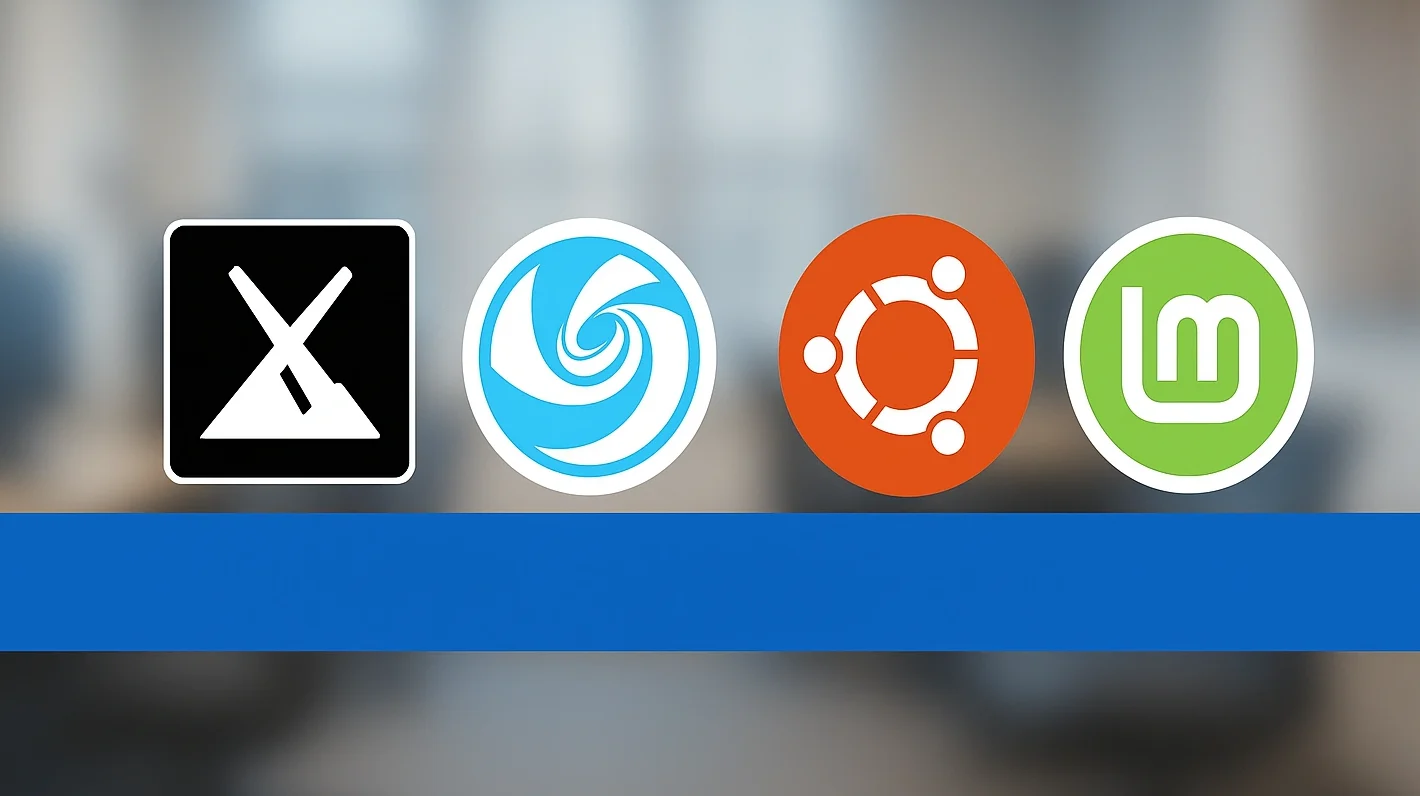
As the Windows 10 and Life approach of life, many users are asking what comes next, especially for old hardware that cannot handle Windows 11. While Microsoft would like to migrate to their latest platforms, the reality is that millions of equipment will be left behind worldwide. Fortunately, some options may expand the utility of your computer or help you move more smoothly into new solutions.
- Stay on Windows 10: You can continue using the system after the end of Windows 10 support, but it becomes more dangerous over time. Without updates, your computer is rapidly unsafe due to safety hazards, and compatibility with new software and hardware will continuously decline.
- Switch to Linux: A free, open-source operating system that runs well on old machines. Linux provides strong security and flexibility, but it lacks official customer service, and you may need to learn if you are used to Windows.
- Buy a new PC: For many people, this will be the simplest route. Modern equipment predicts the ship with Windows 11, which ensures long-term updates and safety. Although it requires investment, it also provides peace of mind.
- Use cloud or virtual: Business and advanced users can consider cloud desktop or virtualization platforms, which reduce dependence on local operating systems and make the upgrade less necessary.
Each option comes with a trade-off. Staying on Windows 10 can work temporarily, but it exposes you to more and more risks. Linux and virtualization provide creative solutions, but they require adaptation. Buying a new PC guarantees long-term support but comes at a cost. The important point is that the end of Windows 10 support is not the end of your choice; You still have the paths ahead, and the plan will help you choose the person who fits your needs best.
The Dangers of No More Support
When the end of Windows 10 support comes, the operating system does not stop working overnight, but the risks begin to be made immediately. Without regular patches and updates from Microsoft, what is passed every day makes Windows 10 more weak. What seems safe at first can quickly turn into a large security and purpose problem.
- Cybersecurity Vulnerabilities: Hackers often target unsupported systems because they know flaws will never be fixed. Once Windows 10 stops receiving patches, these security gaps will remain open permanently.
- Software Incompatibility: Over time, new programs, apps, and even web browsers may stop working properly. Developers will shift their focus to supported platforms, leaving Windows 10 users behind.
- Hardware Problems: Devices such as printers, graphics cards, and external hardware depend on updated drivers. Once support ends, many new devices will not release Windows 10 drivers.
- No Official Help: After the Windows 10 end of life, Microsoft will no longer provide technical assistance. Users will need to rely on community forums, third-party guides, or trial-and-error fixes.
Even strong third-party antivirus programs can not protect from the system weaknesses that remain unpublished. These threats become more severe over time, converting an older computer into an open target for malware and cyber attacks.
In short, the End of Windows 10 Support is not just a symbolic date. It marks the point when safety, reliability, and compatibility begin to decline. Anyone still on Windows 10 faces growing risks to personal data, business operations, and digital security the longer they delay upgrading or switching.
How Many People Are Affected?
The Windows 10 end of life will not only affect a small group of users. It is a global change that impacts homes, businesses, and entire industries. Windows 10 remains one of the most widely used operating systems in history, which makes its retirement especially significant.
In August 2025, reports estimated that about 650 million people worldwide were still using Windows 10. More than 400 million devices could not upgrade to Windows 11 because of hardware limits. This leaves hundreds of millions facing tough choices: pay for extended support, switch to an alternative like Linux, or purchase new machines.
Microsoft has not shared exact numbers on how many users must replace their devices. Analysts, however, expect a massive wave of upgrades and new PC sales as the Windows 10 end-of-life deadline forces change. Tech retailers, hardware makers, and service providers are already preparing for the surge in demand.
Lessons from Windows 7 and XP
The end of Windows 10 support is not the first time Microsoft has retired the widely used system. When Windows 7 reached the end of its life in 2020, many users opposed upgrades, but the growing safety issues and fading software support forced them to move forward. The same happened with Windows XP, which eventually became unsafe and old after the update was closed.
Windows of life are expected to follow the same pattern from 10 ends. Your PC can still work first, but over time, weaknesses, compatibility problems, and lack of support will remain impractical on it impractical. Now the plan will make the infection easier and less expensive. For businesses, lessons are even stronger. Delay in upgrade can cause issues, open the door for cyber attack, and disrupt workflows. Home users may feel less pressure, but risks are the same, so preparing early is the smartest route forward.
Since you’re drawing parallels with Windows 7 and XP retirements, the key lesson is that delaying upgrades eventually forces users into costly or unsafe situations. A good Amazon affiliate product here would be a business-friendly, secure Windows 11 desktop PC, something reliable that can help both home and business users avoid the same mistakes from past OS retirements. Here’s a relevant product you can add:
Dell OptiPlex 7010 Desktop PC with Windows 11 Pro
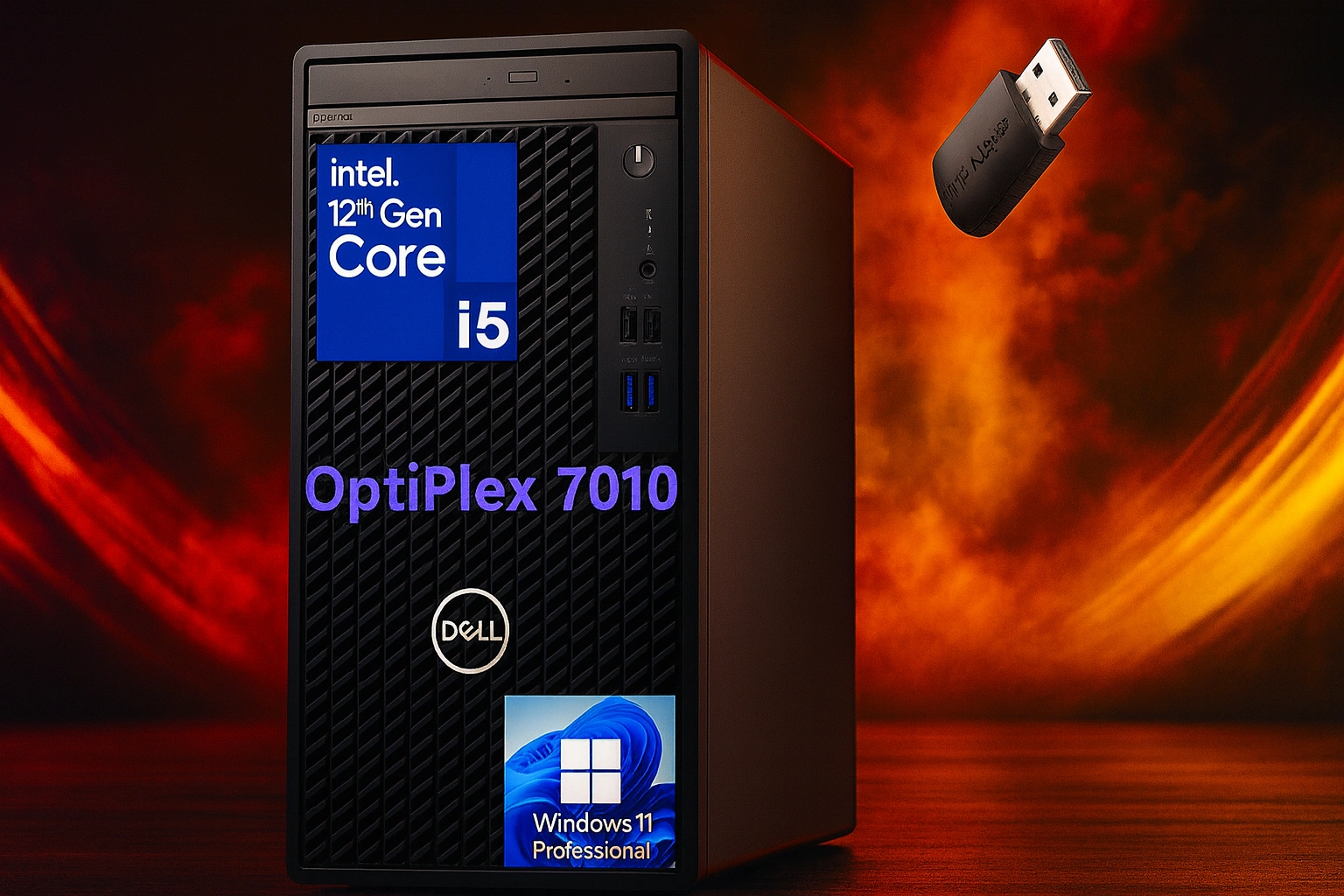
The Dell OptiPlex is a trusted business-class desktop that comes with Windows 11 Pro, Intel Core i7, 16GB RAM, and a 512GB SSD. It’s designed for both home and office use, offering long-term stability, security, and the performance needed to stay ahead of future software support cutoffs.
What You Should Do Now
With rapid contact with 10 ends of life, early preparation is the best way to avoid stress, unexpected costs, and safety risks. Whether you are an individual user or managing equipment for a business, now take small steps, Windows 10 will make the transition to the infection once at end of support.
- Check compatibility: Run Microsoft’s PC Health Check tool to confirm whether your computer meets the requirements for Windows 11. If it does, upgrading is usually the safest choice.
- Back up your files: Before upgrading or switching systems, secure your data using cloud storage or external drives so nothing important is lost.
- Consider costs: Decide if paying $30 a year for extended support is worth it, or if investing in a new device that comes with Windows 11 makes more sense long term.
- Explore Linux: If your PC isn’t Windows 11-compatible, try a beginner-friendly Linux distribution on a spare machine. It’s free, secure, and keeps older hardware useful.
- Stay updated: Follow Microsoft’s announcements about how long extended support programs will last so you can plan accordingly.
Now, taking these steps means that you will not be caught by the guard when the update stops. For many, the end of Windows 10 support is an opportunity to modernize the system and improve safety. Waiting until the last minute only increases the chances of problems, so you still start preparing when you have an option.
FAQs about End of Windows 10 Support
1. When is the official end of Windows 10 support?
Microsoft will officially abolish Windows 10 support on 14 October 2025. After that date, no free safety patch or feature update will be released.
2. What does Windows 10 end of life mean for users?
Windows 10 and Office 365 mean that Microsoft will no longer provide free updates or technical support. Your computer will still work, but over time will increase the security risks and software compatibility issues.
3. Can I keep using Windows 10 after support ends?
Yes, you can, but the risks increase quickly. Without updates, your system becomes less safe and less compatible with new apps and hardware. Microsoft recommends upgrading to Windows 11 or another supported system.
4. Will I get free updates after the end of Windows 10 support?
Some U.S. and European users can qualify for free updates if they sign in with a Microsoft account and use Windows Backup. Others must pay about $30 per year or redeem Microsoft Rewards points for extended updates.
5. What are my options if my computer can’t run Windows 11?
If your device isn’t compatible, you can pay for extended Windows 10 support temporarily. Another option is switching to Linux, which is free and secure. You can also replace your PC with a new one that comes with Windows 11 preinstalled.